SMS marketing is the most underused channel in UK ecommerce. While most brands have email covered, very few have added SMS to their marketing stack — despite the fact that SMS open rates exceed 95% and click-through rates are 5-10x higher than email.
The hesitation is understandable. UK brands worry about GDPR compliance, cost, and annoying customers. These are valid concerns, but they are all solvable. A well-executed SMS programme complements your email marketing, reaches customers when email cannot, and generates revenue that would otherwise be left on the table.
This guide walks through setting up SMS in Klaviyo specifically for UK brands, with a focus on compliance, consent collection, and the flows and campaigns that generate the best return.
Why SMS marketing works for ecommerce
The numbers speak for themselves:
- 98% open rate — virtually every SMS is read, usually within 3 minutes
- 36% click-through rate — compared to 2-5% for email
- Higher urgency response — SMS drives faster action than any other channel
- Complements email — reaches customers who miss emails, reinforces key messages
- Lower competition — fewer brands use SMS, so your message stands out
SMS works particularly well for time-sensitive communications: flash sales, back-in-stock alerts, abandoned cart reminders, and delivery updates. These are moments where reaching the customer immediately matters.
UK compliance: GDPR and PECR
UK SMS marketing is governed by two regulations: GDPR and PECR (Privacy and Electronic Communications Regulations 2003). Here are the key requirements:
Consent requirements
- Explicit, informed consent — you must clearly explain what the person is signing up for
- Separate consent — SMS consent must be separate from email consent. A single "subscribe to marketing" checkbox is not sufficient
- Clear opt-in language — "By entering your phone number, you consent to receiving marketing text messages from [Brand]. Message frequency varies. Reply STOP to unsubscribe."
- Easy opt-out — every SMS must include instructions to unsubscribe (typically "Reply STOP")
- Record keeping — you must be able to prove when and how consent was obtained
Content requirements
- Identify your brand in every message
- Include opt-out instructions
- Do not send before 8am or after 9pm
- Honour opt-out requests immediately
GDPR compliance is not optional. Non-compliance can result in fines of up to £17.5 million or 4% of annual global turnover. Get your consent mechanisms right before sending a single SMS.
Step 1: Enable SMS in Klaviyo
- In Klaviyo, go to Settings > SMS
- Click Enable SMS
- Select your country (United Kingdom)
- Set up your sending number — Klaviyo will provision a UK number for you
- Configure your compliance settings:
- Company name (appears in messages)
- Terms and conditions URL
- Privacy policy URL
- Auto-reply messages for HELP and STOP keywords
- Add quiet hours — set to 9pm-8am GMT to comply with UK best practices
- Purchase SMS credits or enable pay-as-you-go billing
Step 2: Collect SMS consent
SMS consent must be collected separately from email consent. Here are the most effective collection methods:
Popup forms
Add a phone number field to your Klaviyo signup popup. Use a two-step popup: first collect email, then on the second step ask for the phone number with clear SMS consent language.
Example consent text: "Get exclusive offers via text. By entering your phone number, you agree to receive marketing texts from [Brand]. Msg frequency varies. Reply STOP to cancel. Msg & data rates may apply."
Checkout opt-in
Add an SMS opt-in checkbox at checkout. Shopify Plus stores can customise the checkout to include this. Standard Shopify stores can use post-purchase pages or order confirmation pages.
Existing email subscribers
Send a dedicated email campaign to your existing email list inviting them to join your SMS list. Offer an exclusive incentive (early access, SMS-only discounts) to drive signups.
For more on building your subscriber base, see our essential Klaviyo flows guide.
Step 3: Add SMS to your flows
The highest-value SMS use cases are within automated flows. Add SMS steps to these existing flows:
Cart abandonment
Add an SMS reminder 1 hour after cart abandonment (before the first email). SMS cart abandonment messages see 15-20% conversion rates.
"Hey [Name], you left something in your cart at [Brand]. Complete your order before it sells out: [link]"
Welcome series
Send an SMS 1 hour after the first welcome email with the discount code. This reinforces the incentive and catches subscribers who miss the email.
"Welcome to [Brand]! Your exclusive 10% off code is WELCOME10. Shop now: [link]"
Back-in-stock
SMS is perfect for back-in-stock alerts because timing is critical. Send SMS immediately when inventory is updated, before the email notification.
"Good news, [Name]! [Product] is back in stock. Get yours before it sells out again: [link]"
Post-purchase
Send delivery updates and review requests via SMS. These are transactional-adjacent messages with high engagement rates.
"Your [Brand] order has shipped! Track it here: [link]. Enjoy!"
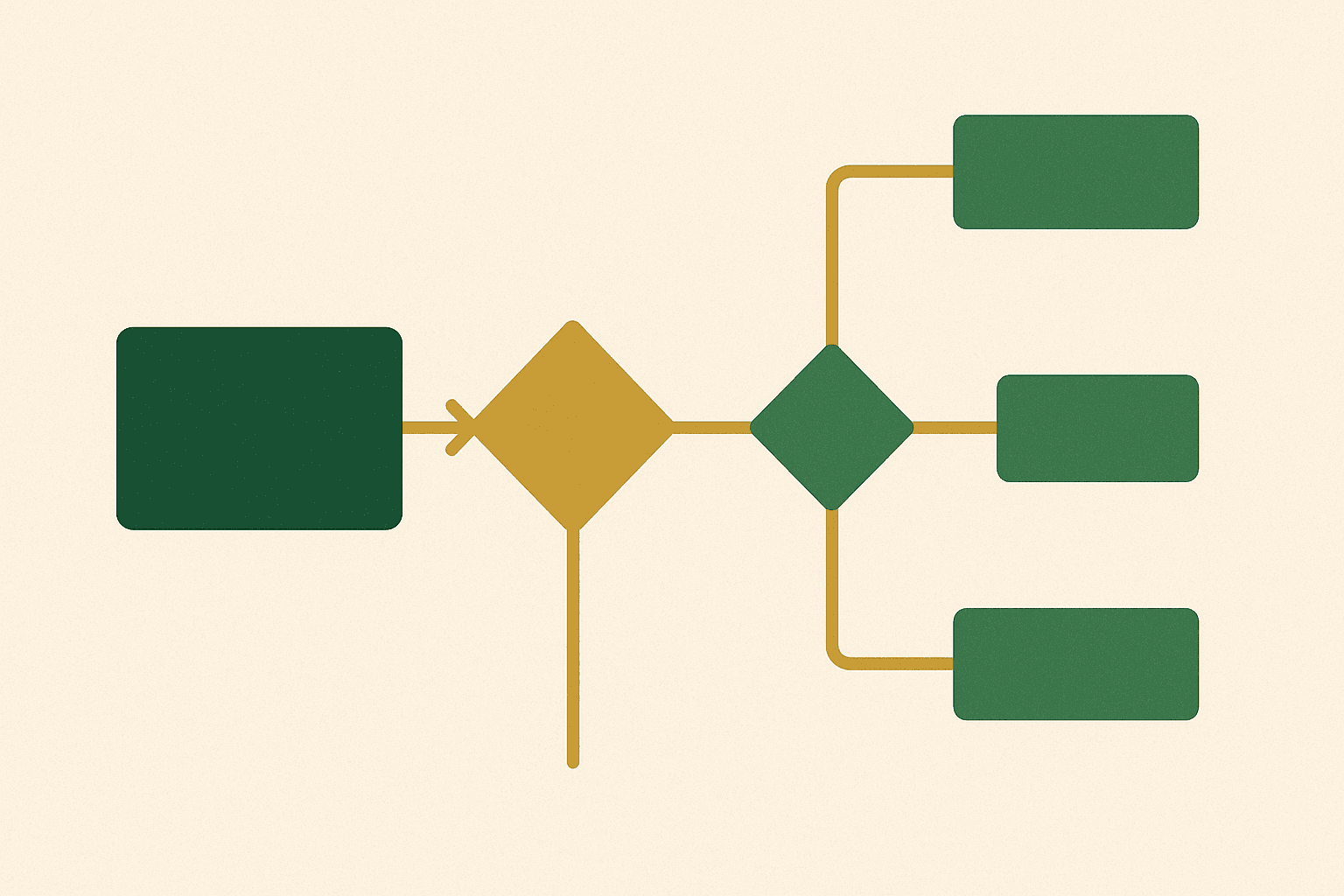
For each flow, add a conditional split that checks whether the subscriber has SMS consent before sending the SMS step. Never send SMS to subscribers who have not explicitly opted in.
Read our managed Klaviyo services guide for more on multi-channel flow strategy.
Step 4: SMS campaign strategy
Beyond flows, use SMS campaigns sparingly for maximum impact:
When to send SMS campaigns
- Flash sales — time-limited offers (24-48 hours) where urgency matters
- Product launches — early access for SMS subscribers
- Major events — Black Friday, Boxing Day, Summer Sale
- Stock alerts — "Last chance" notifications for low-stock bestsellers
When NOT to send SMS campaigns
- Regular weekly promotions (use email for these)
- Content marketing (blog posts, brand stories)
- Newsletter-style communications
- Non-urgent announcements
SMS campaign best practices
- Keep it short — 160 characters or less to avoid multi-segment charges
- Personalise — use the subscriber's first name
- Include a link — use Klaviyo's link shortener to save characters
- Create urgency — time limits, stock levels, exclusive access
- Limit frequency — 2-4 SMS campaigns per month maximum
Step 5: Best practices for UK SMS
Sending times
Respect your subscribers' time. Best sending windows for UK ecommerce SMS:
| Day | Best time | Avoid |
|---|---|---|
| Weekdays | 10am-12pm, 5pm-7pm | Before 8am, after 9pm |
| Weekends | 10am-2pm | Before 9am, after 8pm |
Message formatting
A well-formatted SMS follows this structure:
[Brand name]: [Message with urgency/value]. [Short link]. Reply STOP to opt out.Segmentation for SMS
Do not blast your entire SMS list. Segment by engagement level, purchase history, and geography. Send flash sale SMS only to engaged subscribers who are likely to convert. See our flow optimisation guide for segmentation strategies.
Measuring SMS performance
| Metric | Good benchmark | What it tells you |
|---|---|---|
| Click rate | 15-30% | Message relevance and CTA effectiveness |
| Conversion rate | 5-15% | Revenue impact per message |
| Unsubscribe rate | Below 2% | Frequency and relevance balance |
| Revenue per message | Varies by AOV | Channel ROI |
| Opt-in rate | 5-15% of email list | Consent collection effectiveness |
Common mistakes
1. Sending too frequently
SMS fatigue is real and happens faster than email fatigue. More than 4 messages per month risks high unsubscribe rates. Quality over quantity.
2. Ignoring compliance
UK GDPR and PECR are strict. Always collect explicit, separate consent. Always include opt-out instructions. Always identify your brand.
3. Treating SMS like email
SMS is a different medium. Keep messages short, urgent, and action-oriented. Do not try to tell your brand story or include long promotional copy in an SMS.
4. No segmentation
Blasting your entire SMS list with every message is wasteful and drives unsubscribes. Segment by engagement and purchase behaviour, just like email.
5. Forgetting quiet hours
Sending SMS at 11pm is a guaranteed unsubscribe. Set quiet hours in Klaviyo and respect them without exception.
SMS marketing is not a replacement for email — it is the perfect complement. Email handles your broad communication strategy whilst SMS delivers high-impact, time-sensitive messages that drive immediate action. Together, they create a multi-channel marketing programme that reaches customers wherever they are.
For UK brands, the compliance requirements are clear and manageable. The key is collecting proper consent, respecting subscriber preferences, and using SMS strategically rather than as another broadcast channel.
Need help setting up SMS in Klaviyo or building a multi-channel marketing strategy? See our Klaviyo services or get in touch for a free consultation.