
Returns are one of the most expensive operational headaches in ecommerce. For UK fashion brands, return rates regularly exceed 30%. Even in categories with lower return rates, the process of handling return requests, generating labels, processing refunds, and restocking items consumes hours of customer service time every week.
A self-service returns portal changes this equation entirely. Instead of customers emailing your support team and waiting for a response, they visit a dedicated page, select their order, choose a return reason, and receive a shipping label automatically. The result is a better customer experience, lower support costs, and faster processing times.
This guide covers every approach to building a returns portal on Shopify, from the native tools built into the platform to advanced third-party solutions. Whether you are processing ten returns a month or ten thousand, you will find the right setup here.
Why your Shopify store needs a returns portal
Before getting into the technical setup, it is worth understanding why a proper returns portal matters for your business. Returns are not just a cost centre. Handled well, they become a competitive advantage.
Customer expectations have changed
UK consumers now expect a seamless returns experience. Research consistently shows that over 60% of online shoppers check a store's returns policy before making their first purchase. A clunky, email-based returns process actively deters new customers from buying.
Support ticket reduction
Every return that requires a customer service interaction costs your business time and money. A self-service portal eliminates the back-and-forth emails, the manual label generation, and the status update requests. Stores that implement self-service returns typically see a 40-60% reduction in returns-related support tickets.
Faster processing means faster restocking
Returned inventory sitting in transit or in a processing queue is dead stock. A streamlined returns process gets items back into sellable inventory faster, reducing the revenue impact of returns. This is especially critical for seasonal products and fashion items where demand is time-sensitive.
Data collection for continuous improvement
A structured returns portal collects standardised return reason data that you can analyse to identify product issues, sizing problems, or quality control gaps. This data is far more valuable than the unstructured information you get from email-based returns.
If you are still managing returns through email, you are spending too much on customer service and providing a below-average experience. The investment in a proper portal pays for itself within months.

Using Shopify's native returns system
Shopify now includes a built-in returns management system that handles the basics well. Before investing in a third-party app, understand what the native system offers and whether it meets your needs.
What Shopify's native returns include
The native system covers the core returns workflow. Customers can request returns from their order status page. You receive return requests in your admin, approve or decline them, generate return shipping labels (where supported by your carrier), track returned items, and process refunds or restocking.
Step 1: Enable self-service returns
In your Shopify admin, navigate to Settings > Customer accounts. Ensure customer accounts are enabled — either as optional or required. Self-service returns require customers to have an account or to access their order via the order status page link.
Step 2: Configure return rules
Go to Settings > Policies > Return rules. Here you can set your return window (the number of days after delivery within which returns are accepted), define which items are eligible for returns, set return shipping costs, and specify restocking fees if applicable.
Step 3: Set up return reasons
Shopify lets you configure a list of return reasons that customers select when initiating a return. Common reasons include wrong size, damaged item, not as described, changed mind, and arrived too late. These reasons feed into your analytics and help you identify product issues.
Step 4: Configure notifications
Under Settings > Notifications, customise the return-related email templates. Shopify sends automatic emails when a return request is approved, when a return label is generated, and when a refund is processed. Customise these to match your brand voice and provide clear next steps.
Limitations of native returns
Shopify's built-in system handles straightforward refund returns but lacks several features that growing stores need. It does not support exchanges within the returns flow, has limited options for offering store credit instead of refunds, does not provide a branded returns portal page, and has basic analytics. For stores processing more than a few dozen returns per month, a third-party solution often makes sense.
Configuring return rules and policies
Your return rules need to balance customer friendliness with margin protection. Getting this right is critical to the success of your returns portal.
Return window
UK consumer law requires you to accept returns within 14 days for online purchases under the Consumer Contracts Regulations 2013. Many brands offer longer windows — 28 or 30 days is standard, and some offer 60 or even 90 days. Counterintuitively, longer return windows can actually reduce return rates because customers feel less urgency to decide immediately.
Eligible and ineligible items
Not everything should be returnable. Common exclusions include personalised or custom-made items, perishable goods, hygiene-sensitive products (underwear, earrings, cosmetics that have been opened), and sale items below a certain value. Make these exclusions crystal clear in your returns policy and configure them in your portal so customers cannot initiate returns for ineligible items.
Return shipping costs
You have three options. Free returns (you pay), paid returns (customer pays), or conditional free returns (free for exchanges, paid for refunds). Each has trade-offs. Free returns increase conversion rates but add cost. Paid returns reduce return volume but may deter first-time buyers. The conditional approach is increasingly popular because it incentivises exchanges over refunds.
Restocking fees
Restocking fees are legally permitted in the UK as long as they are clearly communicated before purchase. They discourage frivolous returns but can also deter purchases. Most consumer-facing brands avoid restocking fees entirely, but they can be appropriate for high-value or bulky items where return processing is genuinely expensive.

Setting up self-service return requests
The core value of a returns portal is self-service. Customers should be able to start a return without contacting your team. Here is how to set this up properly.
Customer-facing flow
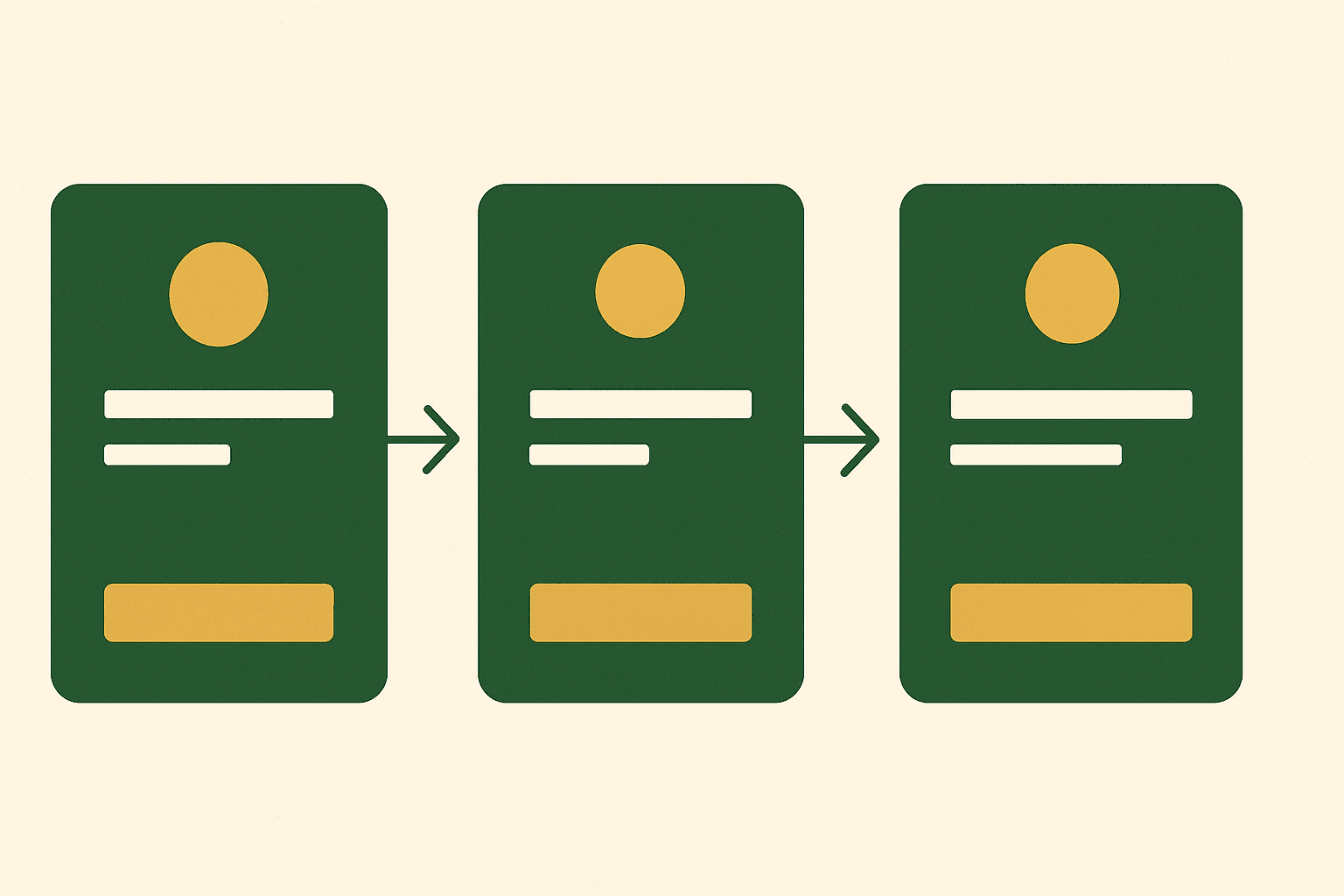
The ideal self-service flow works like this. The customer clicks a "Start a return" link in their order confirmation email, on their account page, or on a dedicated returns page on your site. They select the order and the items they want to return. They choose a return reason from your predefined list. They receive a return shipping label (either via email or as a QR code). They drop off the parcel at the nearest collection point.
Adding a returns page to your store
Create a dedicated returns page on your Shopify store. This page should include a clear explanation of your returns policy, a link or form to initiate a return, FAQs about the returns process, and information about timescales for refund processing. Link this page from your footer navigation, your order confirmation emails, and your main site navigation. Customers should never struggle to find your returns process.
Order lookup for guest customers
Not all customers create accounts. For guest checkouts, you need an order lookup mechanism. Shopify's native system uses the order status page link sent in confirmation emails. Third-party apps typically provide an order lookup form where customers enter their order number and email address to access their return options.
Automating approval
For most return reasons, you can automate approval. If the return is within your return window and the items are eligible, there is no reason to make customers wait for manual approval. Auto-approve standard returns and only flag unusual cases (high-value items, frequent returners, damaged goods requiring photos) for manual review.
Automating return shipping labels
Manual label generation is one of the biggest time sinks in returns processing. Automating this step removes friction for customers and saves your team significant time.
Shopify Shipping labels
If you use Shopify Shipping, you can generate return labels directly from the returns management screen. When you approve a return, Shopify provides the option to create a return label through your configured carrier. The label is emailed to the customer automatically.
Third-party carrier integration
For UK stores, the most common carriers for returns are Royal Mail, Evri (formerly Hermes), DPD, and InPost. Third-party returns apps typically integrate with these carriers to offer automated label generation, label-free returns via QR code at drop-off points, tracked returns with status updates, and consolidated manifests for pickup collections.
Label-free returns
An increasingly popular approach is label-free returns. Instead of printing a label, the customer receives a QR code that they show at a drop-off point (such as an InPost locker, Evri ParcelShop, or Post Office). This is more convenient for the customer, cheaper for you, and better for the environment. Several UK carriers now support this option.
Pre-paid vs customer-paid labels
If you offer free returns, include a pre-paid label with the original shipment or generate one automatically when a return is initiated. If the customer pays, provide clear instructions on how to post the item back and which address to use. The pre-paid approach is smoother but adds cost, typically ranging from £2.50 to £5.00 per return depending on size and carrier.
Third-party returns apps compared
Once your returns volume exceeds what Shopify's native system handles comfortably, it is time to consider a dedicated returns app. Here are the main options for UK Shopify stores.
Loop Returns
Loop is the market leader for Shopify returns. It specialises in converting refunds into exchanges or store credit, which helps retain revenue. Key features include a branded returns portal, exchange-first workflow, automated label generation, store credit incentives, and deep Shopify integration. It is particularly strong for fashion and apparel brands with high return rates. Pricing starts around £50 per month for smaller stores.
AfterShip Returns
AfterShip provides a solid returns management solution with the added benefit of integrating with their tracking product. Features include a branded returns page, automated notifications, return analytics, multi-carrier label generation, and flexible return rules. The free tier handles a limited number of returns, making it a good starting point. Read our AfterShip vs parcelLab comparison for a detailed breakdown.
Returnly (Affirm)
Returnly's unique proposition is instant store credit — customers receive credit to make a new purchase before the returned item is even received. This dramatically increases exchange rates and reduces revenue loss. It is best suited for mid-to-large brands with the cash flow to support instant credits.
Rich Returns
A more affordable option for small-to-mid-sized stores. Rich Returns provides the core functionality — branded portal, return rules, automated labels, and exchange options — at a lower price point than Loop or Returnly. It integrates well with Shopify and handles UK carriers.
Choosing the right app
The right choice depends on your volume, budget, and priorities. If exchange retention is your main goal, Loop or Returnly are strongest. If you need a combined tracking and returns solution, AfterShip is efficient. If budget is tight, Rich Returns or Shopify's native system may be sufficient. Before adding any app, audit your existing app stack to avoid conflicts.

Offering exchanges and store credit
The most expensive type of return is a full refund. Every pound refunded is revenue lost. The smartest returns strategies incentivise customers to exchange or accept store credit instead.
Why exchanges beat refunds
When a customer exchanges a product, you retain the revenue. They get a different size, colour, or product entirely, and you avoid the revenue hit of a refund. Industry data suggests that brands offering easy exchanges retain 30-40% more revenue from returns than those offering refunds only.
Setting up exchanges in your portal
Shopify's native returns do not support exchanges directly — you would need to process a return and a new order separately. Third-party apps like Loop handle this seamlessly. The customer selects an exchange item in the returns portal, receives the new item (sometimes before sending the original back), and only pays any price difference.
Store credit as an incentive
Another effective strategy is offering bonus store credit for customers who choose credit over a refund. For example, if a customer's order was £40, offer them £44 in store credit instead of a £40 refund. The extra 10% costs you very little but incentivises the customer to keep their money within your brand.
Implementing store credit on Shopify
You can issue store credit through Shopify's gift card system. When processing a return, issue a gift card for the refund amount (plus any bonus) instead of refunding to the original payment method. Third-party returns apps automate this process and present the store credit option to the customer at the point of return.
Collecting and analysing return reasons
A returns portal is also a data collection tool. The return reasons your customers select reveal product, sizing, and quality issues that you can act on to reduce future returns.
Structuring your return reasons
Avoid vague options like "other" or "did not like it". Use specific, actionable categories. Good return reasons for a fashion brand might include too small, too large, fabric quality not as expected, colour different from photos, arrived damaged, ordered wrong item, and arrived too late. For other categories, adapt the reasons to match common issues in your vertical.
Analysing return data
Review return reason data monthly. Look for patterns. If a specific product has a disproportionately high return rate, investigate. If sizing is the top reason, your size guide needs improvement. If "not as described" features heavily, your product photography or descriptions may be misleading. This data directly informs improvements to your product pages.
Requiring photos for certain return types
For return reasons like "arrived damaged" or "defective", require the customer to upload photos as part of the return request. This serves two purposes: it provides evidence for quality control discussions with suppliers, and it deters fraudulent damage claims. Most third-party returns apps support photo uploads in the return flow.
Automating return status emails
Customers want to know what is happening with their return at every stage. Automated emails keep them informed and reduce the "where is my refund?" enquiries that flood support teams.
Essential return emails
Set up automated emails for each stage of the return process. These should include return request received (with next steps), return approved (with shipping label or instructions), return item received at warehouse, refund or store credit processed, and exchange item shipped. Each email should be clear about what happens next and include an estimated timeline.
Integrating with Klaviyo
If you use Klaviyo for email marketing, you can create more sophisticated return notification flows. Klaviyo can trigger personalised emails based on return events, include product recommendations in return confirmation emails (to encourage exchanges), and segment customers by return behaviour for future campaign targeting. See our guide on integrating Klaviyo with Shopify for the technical setup.
Reducing refund anxiety
The period between sending a return and receiving a refund is when customers are most anxious and most likely to contact support. Proactive status updates at each stage — "We've received your return", "Your refund is being processed", "Your refund has been issued" — dramatically reduce these enquiries. Include expected timeframes in each email.
Strategies to reduce your return rate
The best returns portal is one that customers rarely need to use. Here are proven strategies for reducing return rates on Shopify stores.
Improve product photography
Most "not as described" returns stem from misleading or insufficient photography. Show products from multiple angles, in natural lighting, on models of different body types (for fashion), and in context. Include close-up shots of materials and textures. The goal is to eliminate surprises when the product arrives.
Add detailed size guides
For fashion and apparel, sizing is consistently the top return reason. A proper size guide goes beyond basic measurements — include fit descriptions (slim, regular, relaxed), model measurements and the size they are wearing, and guidance on sizing up or down based on preference. Consider adding a size guide tool that recommends sizes based on customer input.
Use product videos
Video gives customers a far more accurate sense of a product than static images. Show the product being worn, used, or interacted with. Demonstrate scale, drape, texture, and movement. Stores that add product videos consistently see lower return rates. Our guide on adding product videos to Shopify covers the technical implementation.
Leverage customer reviews
Customer reviews with photos provide social proof and set realistic expectations. A review that says "runs a bit small, size up" is more trusted than your official size guide. Encourage customers to leave detailed reviews by including photos and fit feedback. See our guide on adding reviews to Shopify.
Quality control before shipping
Returns for defective or damaged items point to quality control failures. Implement inspection processes before shipping, especially for fragile items. Invest in proper packaging that protects products in transit. The cost of better packaging is almost always less than the cost of processing returns and reshipping.
Designing a returns policy that converts
Your returns policy is a sales tool, not just a legal document. A clear, fair policy increases buyer confidence and conversion rates.
Make it easy to find
Link your returns policy from your footer, product pages, cart page, and checkout. Do not bury it. Customers who cannot find your returns policy assume the worst and leave without buying.
Write it in plain language
Avoid legal jargon. Use short sentences and bullet points. Answer the questions customers actually have: how long do I have to return, who pays for return shipping, how long until I get my refund, and can I exchange instead? A well-written returns policy on a well-designed site builds trust before the first purchase.
Highlight the positives
Lead with the customer-friendly elements. "Free returns within 30 days" is a headline, not a footnote. "Instant exchanges with free shipping on the new item" is a selling point that belongs on your product pages, not buried in your policy page.
Include a clear process overview
A step-by-step summary of the returns process — with approximate timescales — sets expectations and reduces anxiety. Something like: "1. Start your return online (2 minutes). 2. Drop off at your nearest Evri ParcelShop. 3. Receive your refund within 5 working days." Simple, clear, confidence-building.
Measuring returns portal performance
Once your returns portal is live, track these metrics to measure its effectiveness and identify areas for improvement.
Key metrics to monitor
- Return rate. Total returns as a percentage of orders. Track by product, category, and time period to identify trends.
- Self-service adoption rate. What percentage of returns are initiated through the portal versus email or phone? Aim for 80%+ self-service.
- Exchange rate. The percentage of returns that result in an exchange rather than a refund. Higher is better for revenue retention.
- Processing time. Average time from return request to refund issued. Faster processing improves customer satisfaction and reduces support enquiries.
- Return reason distribution. Which reasons are most common? Are any trending upward?
- Support ticket volume. Has the portal reduced returns-related support tickets as expected?
- Revenue retained. Total revenue saved through exchanges and store credit versus what would have been refunded.
Setting benchmarks
UK ecommerce return rates vary significantly by category. Fashion averages 25-35%, electronics 8-12%, beauty 5-10%, and food and drink under 5%. Compare your rates against your category average and focus on reducing the specific return reasons that are most prevalent for your products.
Continuous improvement
Use your returns data to drive product improvements. Share return reason data with your product team, update product pages to address common complaints, and test changes to sizing guides, photography, and descriptions. Every prevented return saves you the cost of two-way shipping, processing time, and potential inventory depreciation.
A returns portal is not just about making returns easier. It is about turning a cost centre into a data source that helps you sell better products and retain more revenue. Build it right and it pays for itself every month.
Andrew Simpson, Founder
Building a returns portal on Shopify does not need to be complicated. Start with Shopify's native returns system, configure sensible rules and policies, automate what you can, and upgrade to a third-party app when your volume justifies the investment. Focus on converting refunds into exchanges, collect structured return reason data, and use that data to improve your products and reduce returns over time.
If you need help implementing a returns portal or want to integrate it with your wider Shopify store and email marketing systems, get in touch. We can build a returns workflow that protects your margins and keeps your customers coming back.