Pre-orders let you sell products before they are available, generating revenue and gauging demand before committing to inventory. Whether you are launching a new product line, restocking a popular item, or building hype for a seasonal collection, pre-orders are a powerful tool when managed correctly.
This guide covers everything you need to set up pre-orders on Shopify, from choosing the right approach to managing customer expectations and fulfilment. We will look at both app-based solutions and native workarounds, so you can find the method that fits your store.
Pre-orders sit at the intersection of inventory management, customer experience, and marketing. Getting any one of these wrong can create problems — overselling stock you cannot deliver, frustrating customers with long waits, or failing to capitalise on the demand you have generated. Understanding how pre-orders fit into your broader customer journey is essential.
Why pre-orders matter for ecommerce
Pre-orders serve multiple strategic purposes beyond simply selling products early. Understanding these benefits helps you design a pre-order system that maximises their value.
Demand validation
Pre-orders are the most reliable form of market research. Real customers putting down real money tells you far more about demand than surveys or focus groups. If a new product generates strong pre-order numbers, you can confidently invest in larger production runs. If pre-orders are weak, you have avoided the cost of overproduction.
Cash flow improvement
Collecting payment upfront for products that have not yet been manufactured or shipped improves your cash flow position. This is particularly valuable for smaller brands that need to fund production runs. The revenue from pre-orders can directly finance the inventory purchase.
Hype and urgency creation
Pre-orders create a sense of exclusivity and urgency. Customers who pre-order feel like early adopters. Limited pre-order allocations create scarcity that drives faster purchasing decisions. This psychological dynamic is especially effective for product launches in fashion, beauty, and limited-edition categories.
SEO and content benefits
Opening pre-orders gives you a reason to create content, send email campaigns, and promote on social media well before the product ships. This extended marketing window generates more touchpoints with potential customers, building awareness and anticipation.
Inventory planning
Pre-order data gives you precise demand signals for inventory planning. Instead of guessing how much stock to order, you have real numbers. This reduces both the risk of stockouts (which lose sales) and overstock (which ties up capital and may require discounting to clear).

Shopify's native pre-order options
Shopify does not have a dedicated built-in pre-order feature, but there are native workarounds that work for simple setups.
Continue selling when out of stock
The simplest approach is to enable "Continue selling when out of stock" on a product variant. This allows customers to purchase even when inventory is zero. You then manually manage these orders as pre-orders. The limitation is that there is no visual indicator to customers that they are pre-ordering, which can cause confusion and customer service issues.
Draft orders
For high-touch pre-order experiences (common in luxury or B2B), you can take pre-orders manually and create draft orders. This gives you complete control over the process but does not scale well. It is best suited for limited-edition products or wholesale pre-orders where you are dealing with a small number of high-value customers.
Pre-order as a product variant
You can add a "Pre-order" variant to your product. This makes the pre-order option visible on the product page and lets you set a different price if needed. However, it complicates the product structure and may confuse customers browsing your catalogue.
Why native options are limited
These workarounds lack important features: no automatic pre-order badges on product pages, no mixed cart handling (pre-order and in-stock items), no deferred payment capture, and no automated communication about shipping timelines. For anything beyond the most basic setup, an app is the better choice.
Choosing a pre-order app
Several Shopify apps specialise in pre-order management. The right choice depends on your specific needs and budget.
Key features to evaluate
- Automatic pre-order badges. The app should automatically show a pre-order badge and estimated shipping date on product pages, collection pages, and in the cart.
- Mixed cart support. Customers should be able to add both pre-order and in-stock items to the same cart, with clear communication about different shipping timelines.
- Payment capture options. Some apps support deferred payment capture, where the customer's card is authorised at purchase but charged only when the item ships.
- Quantity limits. You should be able to set maximum pre-order quantities per product and per customer.
- Automated notifications. The app should integrate with your email system to send pre-order confirmation, updates, and shipping notifications.
- Theme compatibility. The app must work with your Shopify theme without breaking the design or requiring extensive customisation.
Before installing any new app, make sure to audit your existing app stack for potential conflicts and performance issues.
Setting up a pre-order app step by step
While each app has its own interface, the general setup process follows the same pattern. Here is how to configure a typical pre-order app.
Step 1: Install and connect
Install the app from the Shopify App Store. Grant the necessary permissions — the app will need access to your products, orders, and possibly theme code.
Step 2: Configure global settings
Set your default pre-order behaviour: what the pre-order button says ("Pre-Order Now", "Reserve Yours"), the default estimated shipping message, and whether pre-orders are enabled automatically for out-of-stock items or only for products you manually select.
Step 3: Enable pre-orders on specific products
Go to each product you want to offer for pre-order and enable the feature. Set the expected shipping date, any quantity limits, and whether the product should automatically switch back to regular purchasing when stock arrives.
Step 4: Configure the pre-order badge
Customise how pre-order items appear on your storefront. This typically includes a badge on product cards in collection pages, a modified add-to-cart button, and a shipping estimate message on the product page.
Step 5: Set up notifications
Configure email notifications for pre-order confirmation, shipping updates, and any delay communications. If you use Klaviyo, check whether the app integrates directly or if you need to set up triggers based on order tags.
Step 6: Test the complete flow
Place a test pre-order. Check the product page display, cart behaviour, checkout messaging, order confirmation email, and admin order view. Verify everything is clear and correct before going live.

Payment capture: upfront vs on fulfilment
One of the most important decisions in your pre-order setup is when to capture payment. There are two approaches, each with trade-offs.
Upfront payment capture
The customer pays in full at the time of pre-order. This is the simpler option and provides immediate cash flow. It is the standard approach for most Shopify stores using pre-orders. The risk is that if there are significant delays or the product changes, customers may request refunds, and you have already spent the money.
Deferred payment capture
The customer's card is authorised but not charged until the product ships. This is more customer-friendly and reduces refund requests, but it requires the payment gateway to support extended authorisation holds. Standard authorisation windows are typically 7-30 days, which may not cover longer pre-order windows. Some pre-order apps handle this by re-authorising periodically, but this can fail if the customer's card expires or has insufficient funds when the charge finally goes through.
Partial payment (deposit)
Some apps support collecting a deposit at pre-order with the balance charged at fulfilment. This balances cash flow needs with customer risk tolerance. A 20-50% deposit secures the order whilst leaving the customer more comfortable with the arrangement. This approach works particularly well for high-value products.
Inventory management for pre-orders
Pre-orders introduce complexity to your inventory management. You need to track both current stock and incoming stock separately, and ensure that pre-order quantities do not exceed your expected supply.
Setting pre-order limits
If you are expecting 500 units from your manufacturer, do not accept 500 pre-orders. Production delays, quality issues, and shipping problems mean you should cap pre-orders at a conservative percentage of expected stock — typically 70-80%. This gives you buffer stock and avoids the painful situation of overselling.
Tracking incoming inventory
Use purchase orders or inventory tracking to monitor expected stock arrivals. Shopify's native inventory system supports incoming stock through transfer orders. Match your pre-order volume against expected arrivals regularly to catch any potential shortfalls early.
Mixed inventory management
If you sell some units as in-stock and offer others as pre-orders, you need clear separation. Dedicated pre-order apps handle this by creating a virtual inventory layer that manages pre-order allocation independently from your physical stock.
Customer communication and expectations
The single biggest risk with pre-orders is disappointing customers. Clear, proactive communication is your best defence.
Before purchase
Make the pre-order nature of the purchase unmistakably clear. The product page should show a prominent pre-order badge, the expected shipping date or window, a clear statement that this is not an in-stock item, and the estimated wait time from purchase to delivery. Never bury this information. Customers who do not realise they are pre-ordering will be angry when their order does not arrive promptly.
Order confirmation
The order confirmation email should reiterate that this is a pre-order, restate the expected shipping timeline, and explain what happens next. Link to a FAQ page or help article about your pre-order process. Use your email marketing flows to create a dedicated pre-order confirmation sequence.
Status updates
Send periodic updates even if nothing has changed. A simple "Your pre-order is on track for delivery in June" email every few weeks reassures customers and reduces support tickets. If there are delays, communicate them immediately, honestly, and with a revised timeline.
Delay handling
Delays happen. When they do, notify customers before the original shipping date passes. Offer the option to cancel with a full refund. Consider a small goodwill gesture — a discount code on their next order or a free accessory. How you handle delays defines your brand more than how you handle smooth operations.

Optimising product pages for pre-orders
Pre-order product pages need to work harder than standard pages because they are asking customers to pay for something they cannot have immediately.
Compelling product content
Since customers cannot see or handle the product, your content needs to be excellent. High-quality images from multiple angles, detailed specifications, and if possible, video of the product in use. For fashion and beauty, lifestyle imagery showing the product in context is especially important.
Social proof
If this is a new product, you will not have customer reviews. Instead, use early access reviews from influencers or press, waitlist numbers, and testimonials from your brand generally. For more on leveraging reviews, see our guide to Shopify review apps.
Clear call-to-action
The pre-order button should be distinct from your regular add-to-cart button. Use clear language like "Pre-Order Now — Ships June 2026" rather than a generic "Add to Cart". Include the expected delivery date directly on or near the button so customers know exactly what they are committing to.
FAQ section
Add a pre-order FAQ directly on the product page answering common questions: When will it ship? Can I cancel? When will I be charged? Will I be notified when it ships? This pre-empts customer service queries and builds confidence.
Fulfilment workflow for pre-order items
Fulfilling pre-orders requires a different workflow from standard orders. You need processes that handle the delay between purchase and shipment.
Order tagging and segmentation
Tag all pre-orders clearly in your Shopify admin. Most pre-order apps do this automatically, adding tags like "pre-order" to the order. This lets you filter and manage pre-orders separately from standard orders. Create saved views in your admin for pending pre-orders, grouped by product and expected ship date.
Batch fulfilment
When stock arrives, fulfil pre-orders in chronological order — first in, first out. This is fair and prevents customer complaints about later orders being fulfilled first. Use Shopify's bulk fulfilment feature to process pre-orders efficiently.
Split shipments
If a customer has ordered both in-stock and pre-order items, decide whether to ship separately or hold everything until the pre-order item is available. Shipping separately is more customer-friendly but costs more. Many merchants offer the choice at checkout. Consider how this affects your shipping strategy.
Marketing your pre-order campaigns
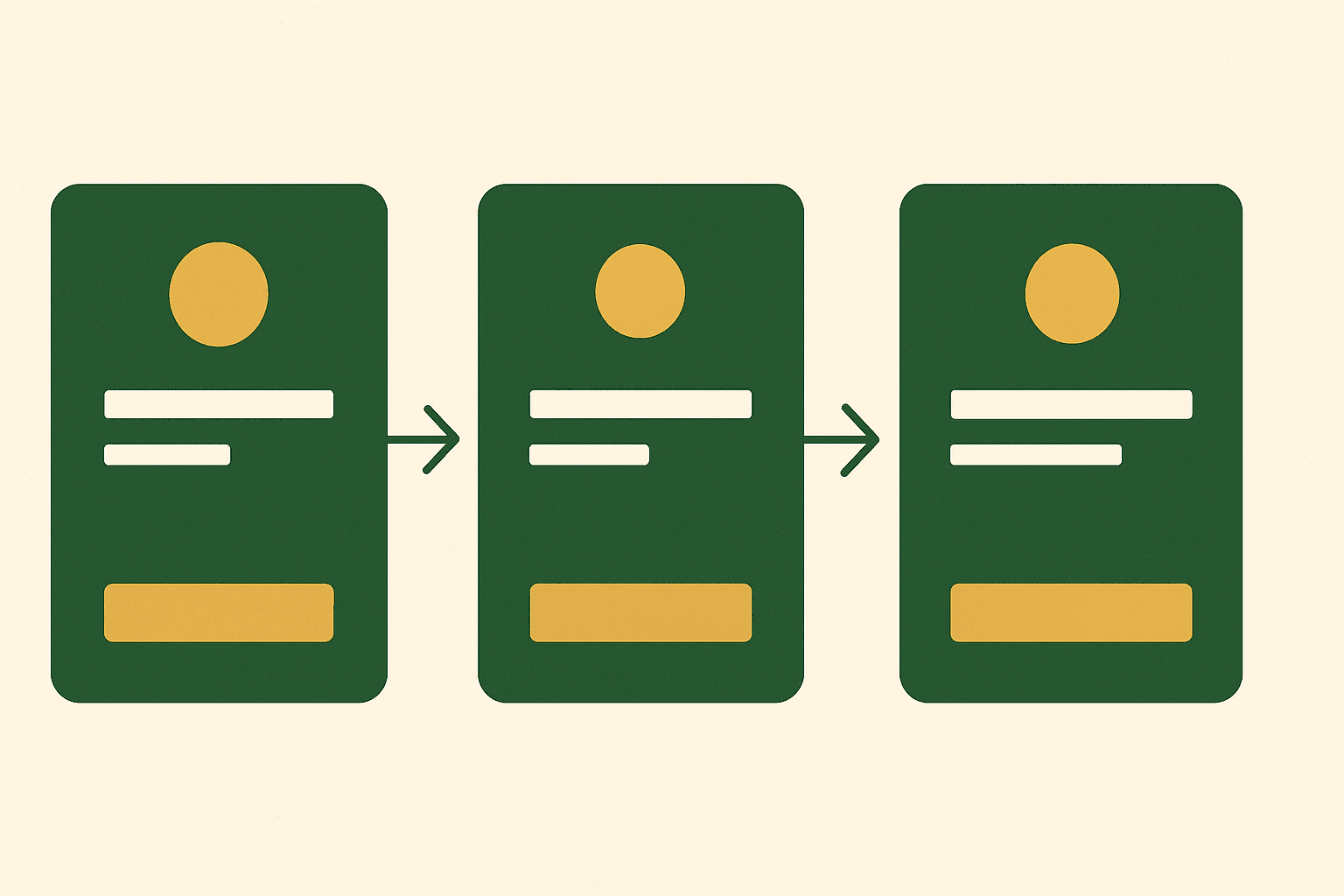
A pre-order campaign is fundamentally a product launch, and it should be treated as such.
Building anticipation
Start teasing the product before pre-orders open. Use social media, email, and your blog to build awareness. Create a waitlist so interested customers are notified when pre-orders go live. The waitlist also gives you a demand signal before you commit to production quantities.
Email marketing
Your Klaviyo flows should include a dedicated pre-order launch sequence. This typically includes a teaser email, a launch day email announcing pre-orders are open, a reminder email a few days later, and a closing soon email if you are limiting pre-order quantities. Segment your audience so your most engaged customers get first access.
Creating scarcity
Genuine scarcity drives pre-order volume. If production is genuinely limited, communicate this clearly. Show remaining pre-order slots. Use countdown timers if the pre-order window closes at a specific date. But never fabricate scarcity — customers can tell, and it damages trust.
Incentivising early pre-orders
Offer an incentive for pre-ordering: a lower price than the eventual retail price, a free accessory or gift, or exclusive colourway or variant only available to pre-order customers. Consider how this fits within your broader pricing strategy.
Common pre-order pitfalls
These are the mistakes we see most often when Shopify stores implement pre-orders.
1. Unclear messaging
If customers do not understand they are pre-ordering, you will face a wave of "where is my order?" complaints. The pre-order status must be visible at every touchpoint: product page, cart, checkout, and confirmation email.
2. Overcommitting on dates
Always give yourself buffer time. If your supplier says goods will arrive on 1 June, tell customers "shipping mid-June". Manufacturing and shipping delays are common, and missing a promised date is far worse than shipping a few days early.
3. Accepting too many pre-orders
Overselling pre-orders and then cancelling some is devastating for customer trust. Set conservative limits and turn off pre-orders once you hit your threshold. It is better to sell out of pre-order slots quickly than to oversell.
4. Neglecting mixed cart issues
When customers add both pre-order and in-stock items to the same cart, confusion arises about shipping. Will in-stock items be held until the pre-order ships? Will there be two shipments and two shipping charges? Address this clearly in your checkout messaging.
5. Poor delay communication
When delays happen (and they will), radio silence is the worst response. Customers will fill the information vacuum with frustration and social media complaints. Communicate proactively, honestly, and with a revised timeline.
6. No cancellation policy
Have a clear pre-order cancellation policy. In many jurisdictions, customers have the right to cancel a pre-order and receive a full refund before the item ships. Make your policy accessible and easy to follow to build trust and comply with consumer protection regulations.
Advanced pre-order strategies
Once you have the basics working, consider these advanced approaches to maximise pre-order value.
Tiered pre-order pricing
Offer a lower price for the first batch of pre-orders that increases as you get closer to launch. Early Bird pricing at a 20% discount, followed by Standard Pre-Order at a 10% discount, followed by Launch Price at full retail. This incentivises early commitment and creates a clear timeline for your promotion.
Pre-order exclusives
Offer variants, colours, or bundles that are only available through pre-order. This gives customers a reason to commit early beyond just the product itself. Limited-edition pre-order bonuses create genuine exclusivity and make the pre-order feel special. For bundle ideas, see our guide to creating product bundles on Shopify.
B2B pre-orders
If you sell wholesale, pre-orders are an excellent way to gather retailer commitments before production. Shopify's B2B features can support wholesale pre-ordering with custom pricing and minimum order quantities.
Data-driven production planning
Use pre-order data to inform production decisions. Track which variants, colours, and sizes get the most pre-orders and adjust your production run accordingly. This reduces waste and ensures your best sellers are well stocked at launch. Understanding your analytics setup is key to making this work.
The best pre-order experiences feel like joining a club rather than waiting in a queue. Create exclusivity, communicate relentlessly, and always deliver on your promises — even if that means promising less upfront.
Andrew Simpson, Founder
Pre-orders are a powerful tool for generating revenue, validating demand, and creating buzz around product launches. The key is in the execution — clear communication, reliable fulfilment, and a seamless customer experience from purchase to delivery.
If you need help building a pre-order system for your Shopify store or want to integrate pre-orders with your wider Shopify setup, get in touch. We build pre-order experiences that protect your brand whilst maximising revenue opportunity.